Project
-
Rope Madness
Year
-
January-April 2026
Synopsis
-
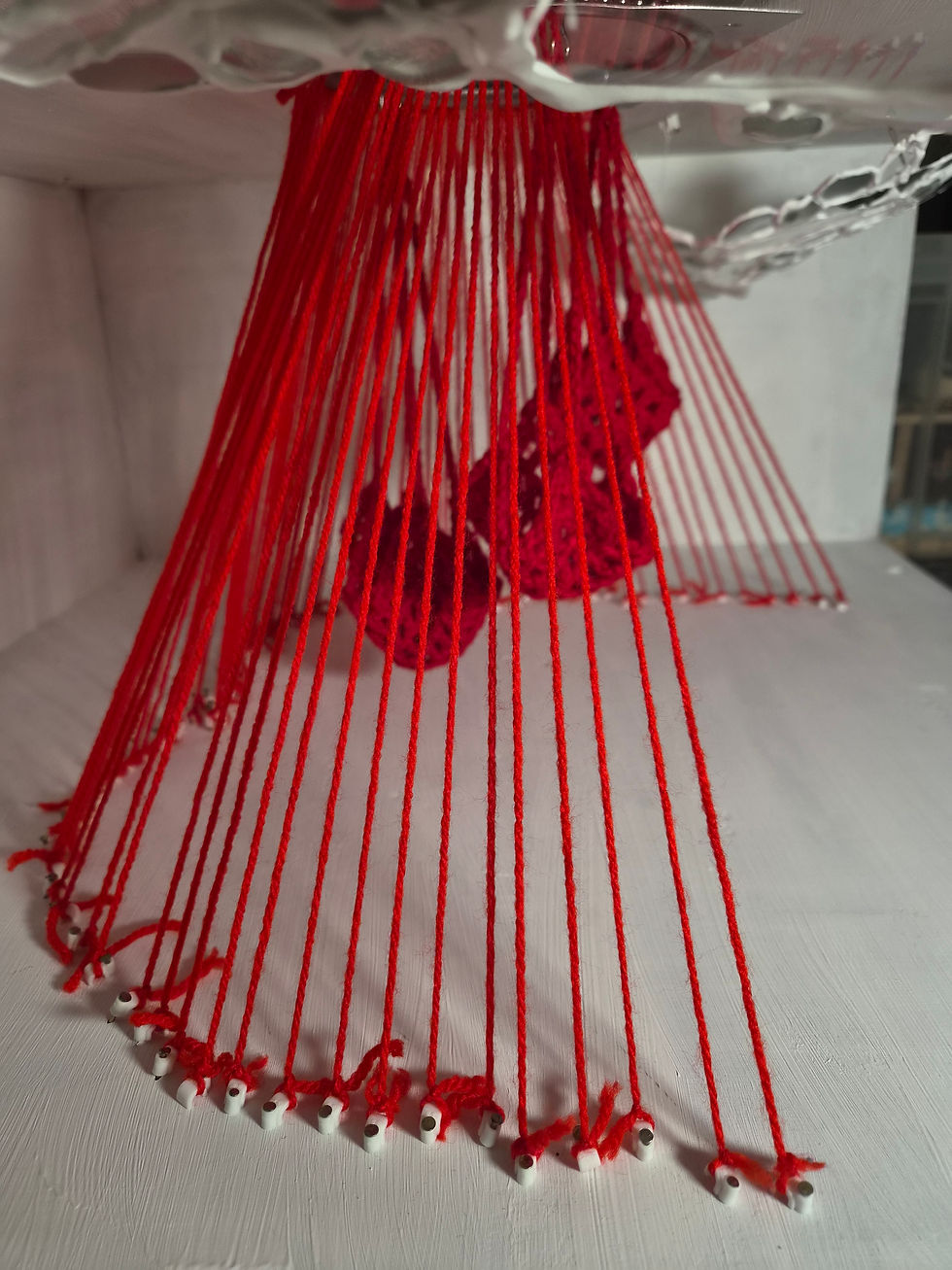
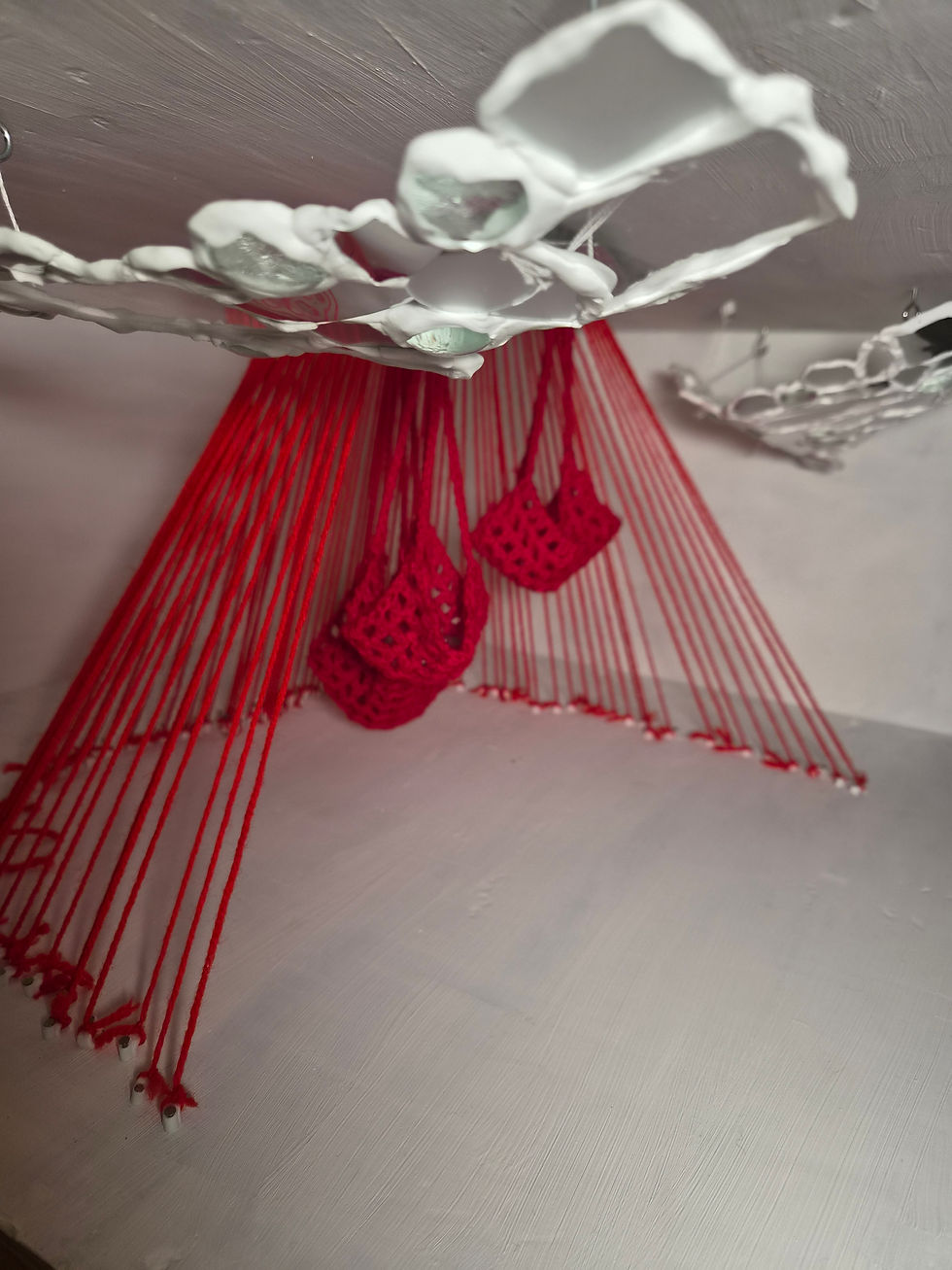
This project explores tension as both an emotional and physical experience, using rope, colour, and reflective materials to create a space that feels slightly unstable and immersive. Inspired by the atmosphere of the circus, the design forms a rotating canopy of rope that creates shifting pods for students to relax, socialise, or study within.

Rope Madness
This project explores tension as both an emotional and physical condition, shaped through material, structure, and atmosphere.
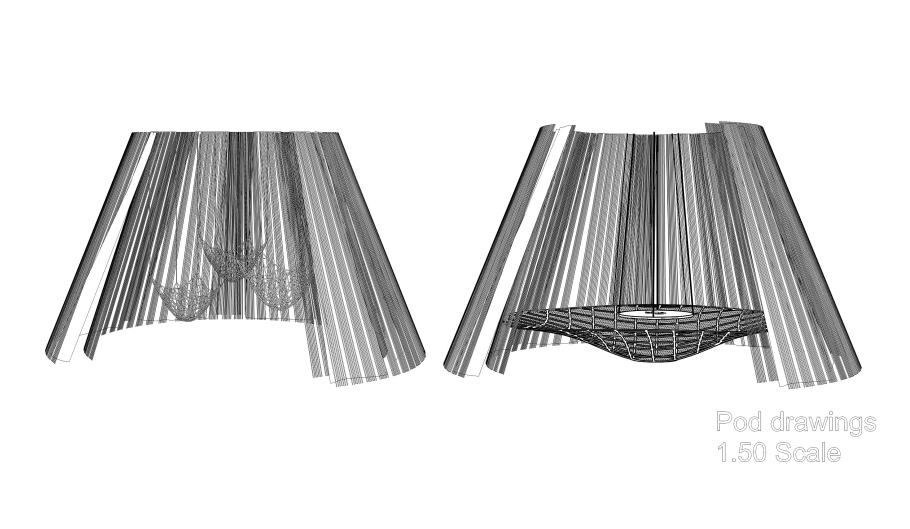
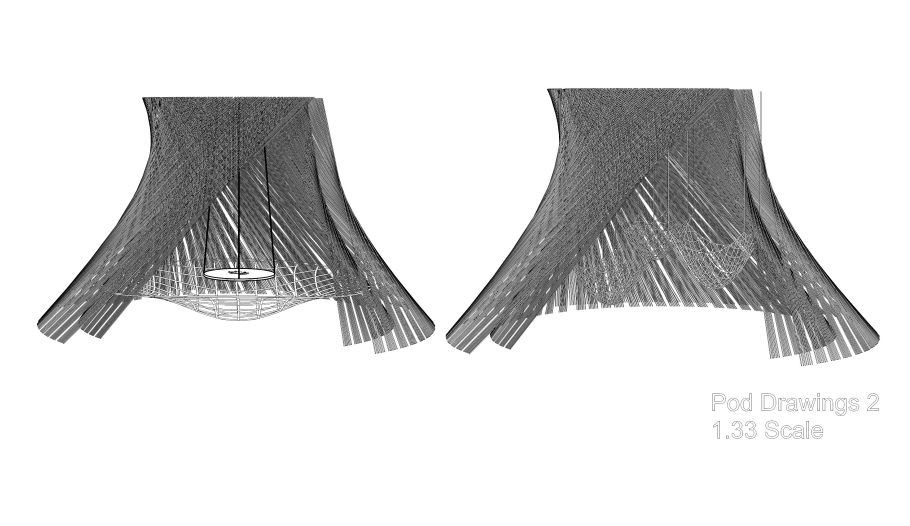
Inspired by the circus, the design draws on its chaotic energy, distorted visuals, and sense of unease. Rope is used as the primary element, forming a rotating canopy that creates a series of pods for students to relax, socialise, or study within.
Reflective materials, influenced by funhouse mirrors, distort light and perception, producing shifting shadows and fragmented views. A restrained palette of pink and red tones introduces subtle visual tension.
Together, these elements create an environment that feels immersive, slightly unstable, and constantly in motion.
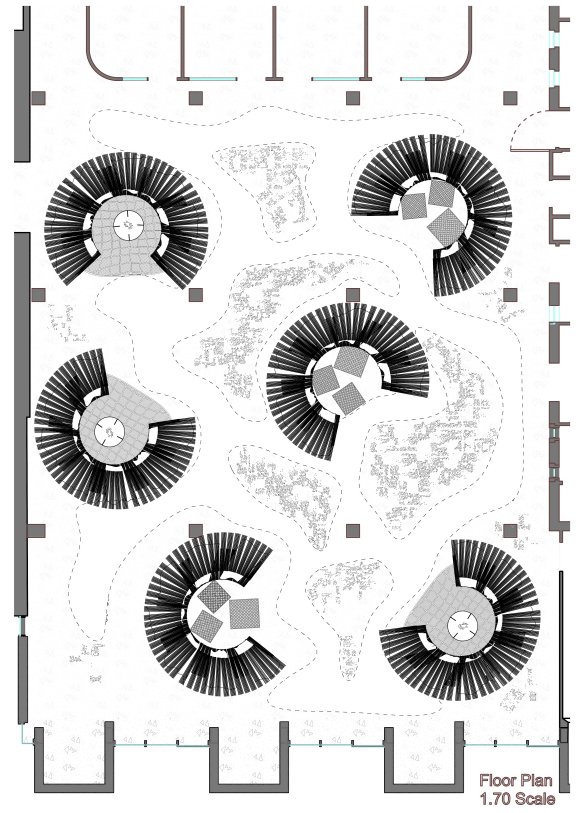
Floor Plans

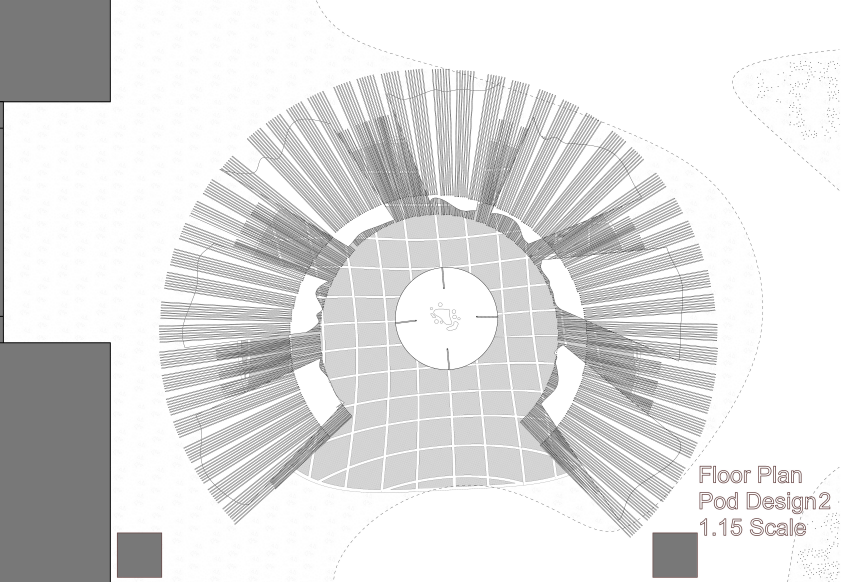


Concept
At the centre of my project is the idea of tension as something you don’t just see, but physically feel within a space. I began by thinking about tension as an internal, uncomfortable pressure, and then translated that into spatial elements. The circus became a reference point because it naturally holds moments of instability, unpredictability, and sensory overload.
Through a process of testing materials and forms, I moved towards using rope as a structural and atmospheric device. By stretching and layering it throughout the space, it creates a sense of pull, compression, and slight unease. This is combined with reflective surfaces that distort perception, so the environment never feels fully stable or clear.
The final outcome is a dynamic system where structure, movement, and perception work together to create an experience that shifts between control and discomfort.
Research
This project began with an exploration of tension as an emotional experience, focusing on feelings of pressure, discomfort, and unease. This led to research into environments that naturally evoke these sensations, particularly the circus, where chaos, performance, and unpredictability create a constant sense of anticipation.
From this, the research expanded into visual and sensory studies, exploring distortion, reflection, and closely related colour palettes to create subtle instability. Material investigations then became central, particularly through the use of rope to express physical tension, force, and pull.
Through iterative testing and model making, the research evolved from visual ideas into a spatial proposal where tension is communicated through structure, movement, and interaction.
1.10 Scale Model